
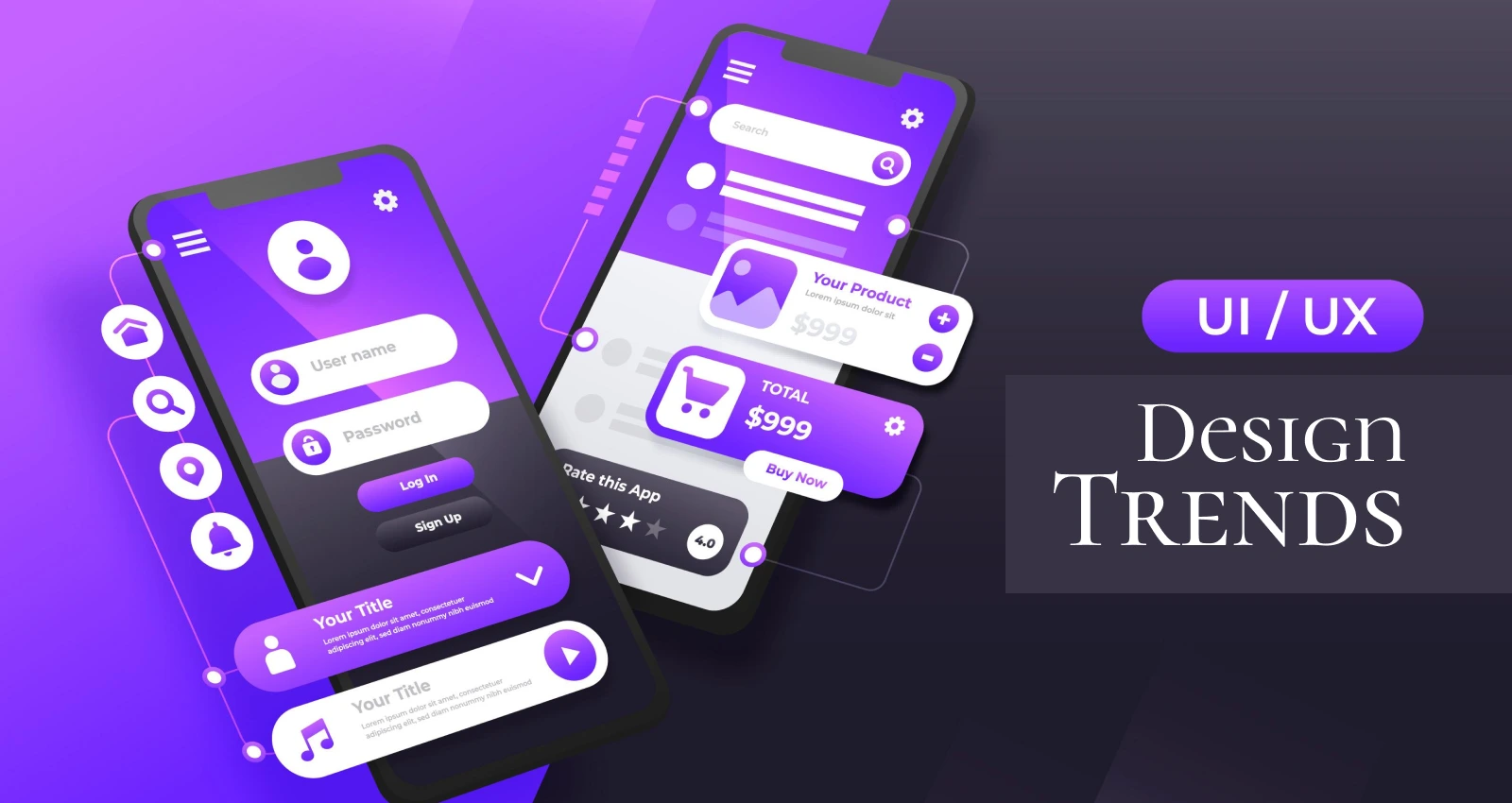
UI/UX design is changing fast. In 2026 it is not about making things look nice and clean. It is about creating experiences that’re smart and work well for users. These experiences need to adapt to how people behave the technology they use and what businesses need. As more companies compete on the internet designers who know about the UI/UX design trends will have an advantage.
Whether you are just starting to learn about design. You are a designer trying to stay competitive in the United States market knowing these UI/UX design trends can help you make better products and have a more successful career.
Why UI/UX Design Trends Matter in 2026
Technology is changing how people use products. From interfaces that use intelligence to experiences that feel real people expect a lot from UI/UX design. Businesses are spending a lot of money on UX because it affects how happy customers are, how much they engage with products and how many sales are made from UI/UX design.
Here’s why staying updated matters:
- Better job opportunities – Companies want designers who understand modern UX
- Higher earning potential – Advanced skills lead to higher-paying roles
- Improved user experience – Trends often reflect real user needs
- Competitive edge – Staying current keeps your portfolio relevant
Ignoring trends doesn’t just make your designs outdated—it can make you less valuable in the job market.
Top UI/UX Design Trends in 2026
AI-Powered Personalized Interfaces
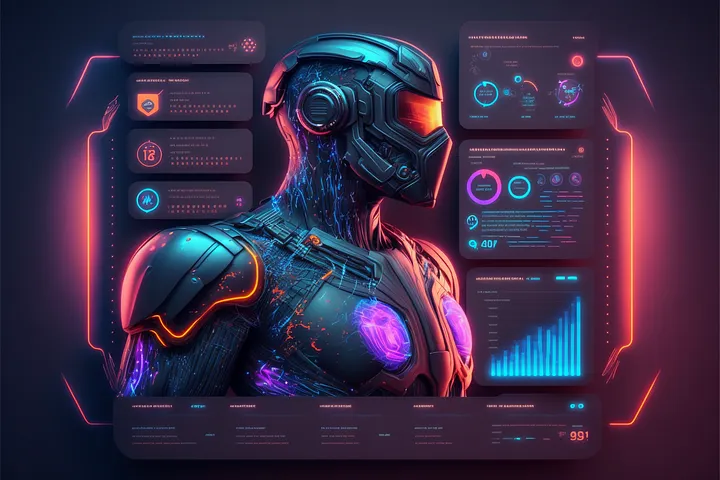
Artificial intelligence is changing how interfaces work. In 2026 websites and apps are becoming smarter. Can change based on how users behave.
Examples include:
- Personalized dashboards
- Smart recommendations
- Dynamic layouts that change in real-time
Why it matters:
Designers now need to think about creating systems that can change and respond to users not just static screens.
Minimalist but Functional Design
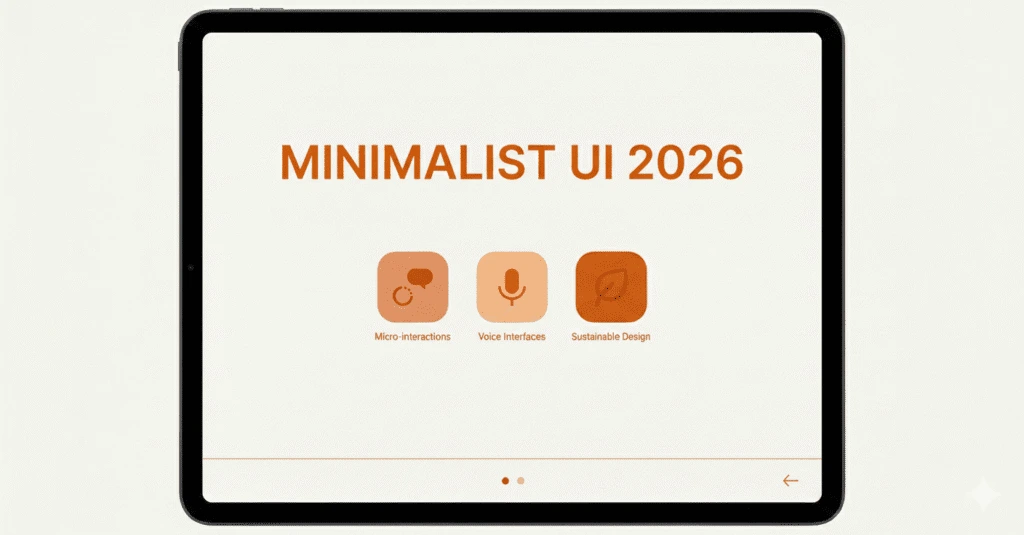
Making things simple is still important. Now it is also about making sure things work well and are easy to use. It is not about removing clutter it is about designing with a purpose.
Key characteristics:
- Clean layouts
- Strong typography
- Clear visual hierarchy
- Fast-loading interfaces
Why it matters:
Users like easy-to-use experiences. A clean design can improve how usable something is and how many sales are made.
Voice & Gesture-Based Interfaces
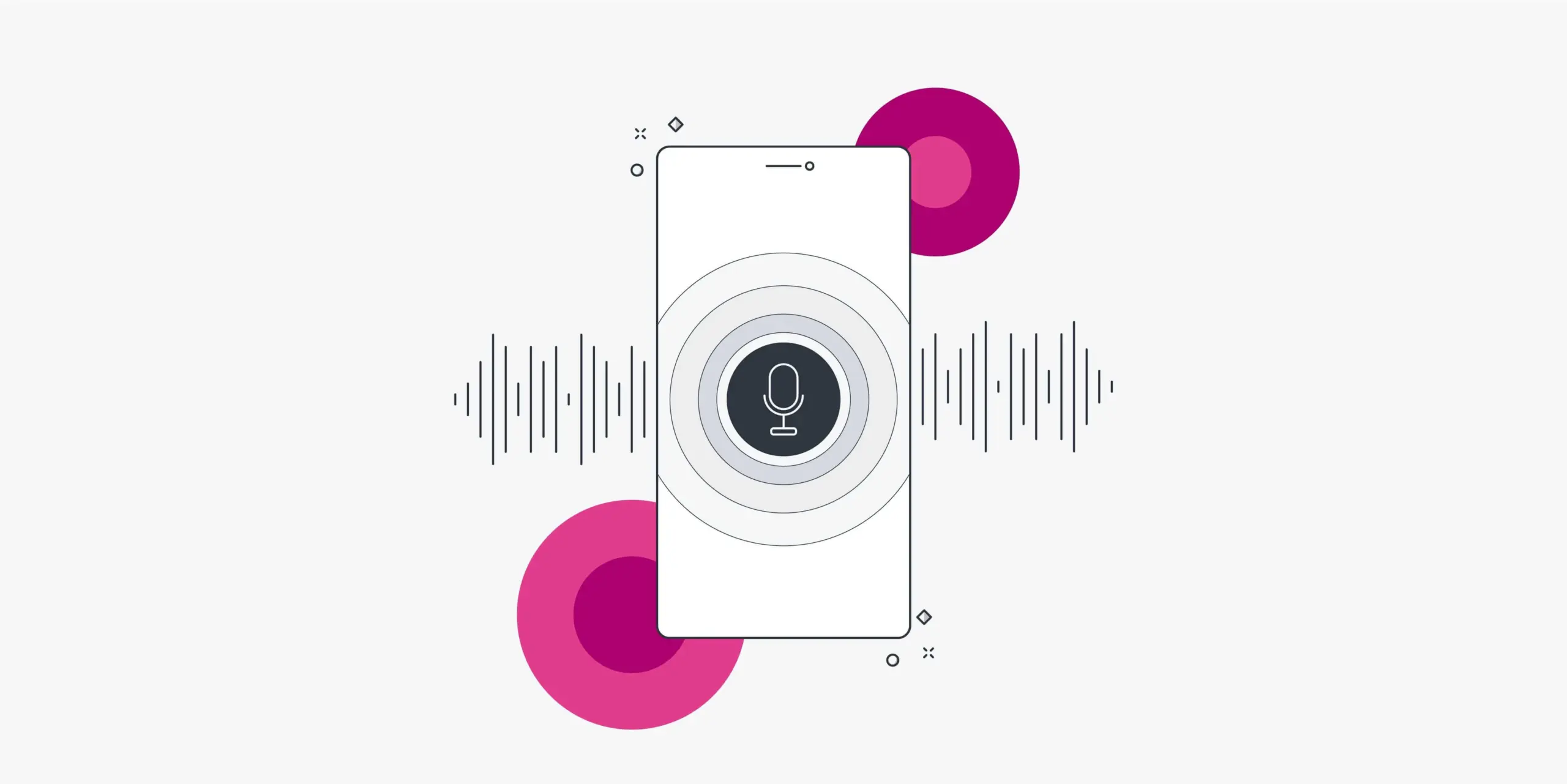
With devices and voice assistants people are interacting with things in ways from UI/UX design trends. Voice commands and gesture-based controls are becoming more common in apps and devices from UI/UX design trends.
Examples:
- Voice navigation in apps
- Touchless interactions
- Gesture-based controls in mobile and AR environments
Why it matters:
Designers need to think about how people interact with things in different ways not just clicking and tapping.
Immersive Design (AR/VR Experiences)
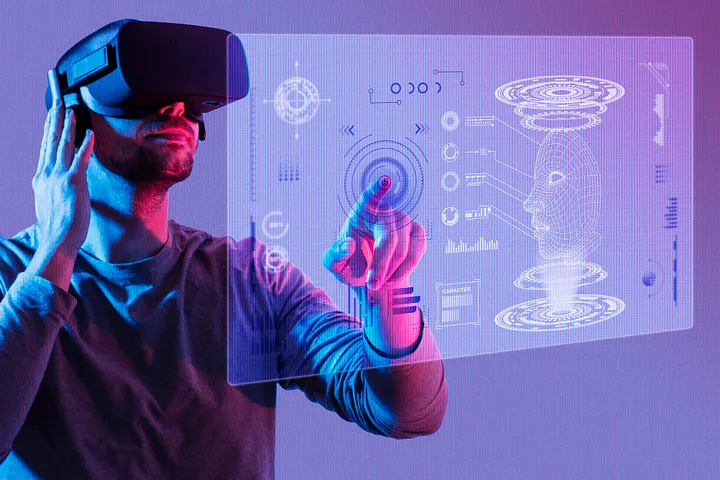
Augmented reality and virtual reality are changing UX from UI/UX design trends. Brands are creating immersive experiences, especially in online shopping, gaming and education from UI/UX design trends.
Use cases:
- Virtual product previews
- Interactive 3D environments
- AR shopping experiences
Why it matters:
Immersive design is becoming a way for companies to stand out especially for innovative companies.
Micro-Interactions & Motion UI
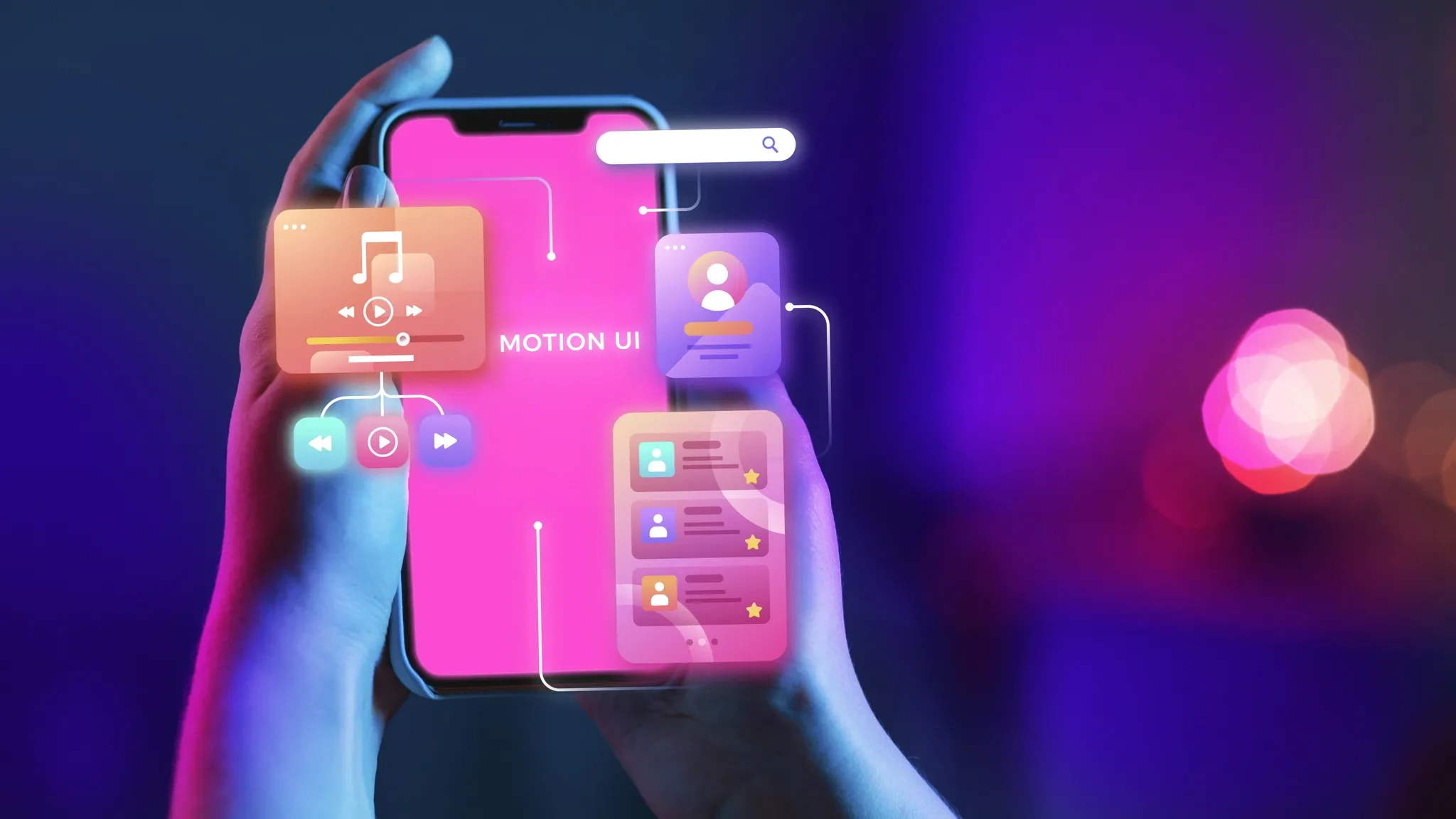
Small animations, like micro-interactions are important for improving user experience. These small design elements provide feedback. Make interfaces feel more alive.
Examples:
- Button animations
- Loading indicators
- Hover effects
Why it matters:
Motion design improves how usable something is and keeps users engaged without overwhelming them.
Tools Designers Should Use in 2026
To keep up with UI/UX design trends designers need to master the right tools. The successful designers are creative and efficient.
Top tools include:
- Figma – Industry standard for collaborative UI/UX design
- Framer – Advanced prototyping and interactive design
- Webflow – No-code website design with real production output
- AI design tools – For faster workflows and idea generation
Learning these tools can improve your workflow and increase your value in the job market.
How to Adapt to These Trends
Staying relevant in UI/UX design is not about following every trend it is about adapting in a way.
Here’s how to stay ahead:
Keep Learning Consistently
The design industry changes quickly so designers need to keep learning. Take courses watch tutorials and study real-world products.
Build a Modern Portfolio
Your portfolio should show that you know about UI/UX design trends. Include projects that demonstrate user-centered design, problem-solving skills and modern tools and techniques from UI/UX design trends.
Follow Industry Leaders
Follow designers, agencies and tech companies to stay inspired from UI/UX design trends. Look at design communities and social media to spot trends early from UI/UX design trends.
Practice Real-World Projects
The way to learn is by doing from UI/UX design trends. Redesign existing apps create case studies or work on freelance projects to build experience from UI/UX design trends.
Final Thoughts: Stay Relevant, Stay Valuable
UI/UX design in 2026 is about creating experiences that are meaningful, efficient and engaging from UI/UX design trends. Trends will keep changing. One thing stays the same: understanding users is important from UI/UX design trends.
By focusing on skills like AI-driven design, usability and interactive experiences you can be a designer in a competitive market for UI/UX design trends. UI/UX design is about more than how things look it is about creating experiences that work well for users, from UI/UX design trends. UI/UX design trends are always changing, staying updated on the trends can help you succeed from UI/UX design trends.